
Patient Reviews
A Few Words from Our Friends



 Trustindex verifies that the original source of the review is Google.
 Trustindex verifies that the original source of the review is Google.
 Trustindex verifies that the original source of the review is Google.
 Trustindex verifies that the original source of the review is Google.
 Trustindex verifies that the original source of the review is Google.
 Trustindex verifies that the original source of the review is Google.
 Trustindex verifies that the original source of the review is Google.
 Trustindex verifies that the original source of the review is Google.
 Trustindex verifies that the original source of the review is Google.
Get Expert Testosterone Therapy at Prestige Men's Health
At Prestige Men’s Health, we specialize in restoring energy, confidence, and vitality through expert testosterone therapy. If you’re feeling tired, irritable, or not quite yourself, you’re not alone. As a trusted testosterone clinic in Utah, we help men of all ages reclaim their strength and well-being through safe, personalized treatment plans—guided by experienced testosterone doctors who truly care. If you’re looking for TRT in Salt Lake City, we see patients at our Holladay clinic on Highland Drive.

UTAH'S #1 TESTOSTERONE CLINIC
We’re proud to be Utah, Idaho, Colorado, Nevada, and Wyoming’s premier testosterone clinic, known for compassionate care, fast results, and proven outcomes. Whether you’re dealing with low energy, mood swings, or performance issues, our team of skilled testosterone doctors will help you feel like yourself again. No pressure. No judgment. Just medical professionals who get it—and know how to help.
TESTOSTERONE THERAPY
Feeling slugish lately?
The culprit could be a drop in your testosterone level, referred to medically as andropause and popularly known as Low T. Low levels of testosterone in men is a medical condition called hypogonadism. Though it’s normal for testosterone production to decrease with age, you don’t have to live with the negative effects. TRT (Testosterone Replacement Therapy) is a solution.
When Does Low T Become a Concern?
By the age of 30, there is often a decline of 1-2% per year. A balance must be achieved so that the body’s testosterone levels are not too low or too high.
Symptoms Treated with Testosterone Therapy:
Low Sex Drive
Erectile Dysfunction
Fatigue
Depression
Loss of Muscle Mass
Difficulty Concentrating
Irritability
WE NOW OFFER TELEHEALTH
Can’t make it in person? No problem. Prestige Men’s Health now offers convenient telehealth appointments for hormone therapy. Whether you’re at home, at work, or on the go, our virtual visits make it easy to connect with your testosterone doctor—without sacrificing quality care.
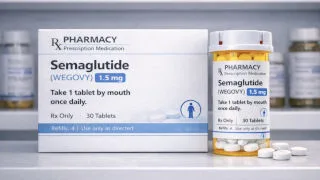
Wegovy weight-loss pill now available in Utah: What you need to know
SALT LAKE CITY, Utah, March 12, 2026 (Bill’s Marketplace/Gephardt Daily)— A major shift is underway in the weight-loss medication market as Wegovy becomes the first pill form of semaglutide available in the United States. Medical professionals say the development could significantly expand access to treatment while lowering costs and removing common barriers that have kept some patients on the sidelines.

Prestige Men’s Health Clinic in Utah earns 5-star reviews for patient care, support for ED, testosterone health
The Holladay-based clinic is drawing praise for its supportive approach to men’s sexual-health concerns, including erectile dysfunction and testosterone issues.
Testosterone Replacement Therapy
Low testosterone (Low T) can affect every part of your life—from how you feel to how you perform. Our testosterone therapy is designed to tackle the root of the issue, not just the symptoms:
Low Sex Drive
A noticeable drop in libido is one of the most common symptoms of Low T. Our testosterone therapy can help reignite your drive and restore healthy sexual function.
Erectile Dysfunction
Testosterone plays a key role in sexual performance. If ED has become a problem, we’ll assess your hormone levels and customize a treatment plan that works at our sexual health clinic (telehealth available).
Fatigue
If you’re having difficulty concentrating and/or trouble getting through the day, Low T may be the cause. Our expert testosterone doctors will help you recharge at our safe and effective hormone clinic (telehealth available).
Depression
Hormonal imbalances can contribute to mood swings, irritability, and even depression. Balancing testosterone can improve emotional stability and mental clarity.
Loss of Muscle Mass
Testosterone plays a key role in sexual performance. If ED has become a problem, we’ll assess your hormone levels and customize a treatment plan that works.
Irritability
Feeling short-tempered or frustrated more than usual? Testosterone therapy helps restore emotional balance and calm.
Getting Started!
Prestige Men’s Health clinic is simple, fast, and affordable.
Step 1
Book An Appointment
Schedule a no-pressure consultation with a licensed testosterone doctor—in person or via telehealth.
Step 2
The Lab Work
We’ll run comprehensive bloodwork for testosterone testing, checking your hormone levels and identifying the best course of action.
Step 3
Get Meds
Start your personalized testosterone therapy (may include: testosterone shots, pellets, topical gels and/or creams). Most patients report feeling better within a few weeks.
AS SEEN ON


Testosterone FAQ's
Frequently Asked Questions
What Is Testosterone?
Testosterone is the primary male sex hormone responsible for regulating energy levels, libido, muscle mass, mood, and overall vitality.
How Common Is Low Testosterone?
Low T is more common than most men think—affecting nearly 40% of men over the age of 45. Many men go undiagnosed, mistaking symptoms for normal aging.
What are signs of low testosterone in men?
Low testosterone in men—often called low T or testosterone deficiency—can show up in several ways. Symptoms can vary depending on age, health, and how low the hormone levels are. Common signs include:
Physical Symptoms
Low energy / fatigue (persistent tiredness not explained by sleep or activity)
Decreased muscle mass or strength despite regular exercise
Increased body fat, especially around the belly
Loss of body or facial hair
Weaker bones (osteoporosis) leading to higher fracture risk
Hot flashes or night sweats (less common but possible)
Sexual Symptoms
Low sex drive (libido)
Erectile dysfunction or weaker erections
Reduced sexual performance or satisfaction
Smaller testicle size
Emotional & Cognitive Symptoms
Depressed mood or low motivation
Irritability or mood swings
Difficulty concentrating or “brain fog”
Reduced confidence or drive
Other Possible Signs
Sleep problems (insomnia, poor sleep quality)
Anemia (low red blood cell count)
Fertility issues (low sperm count or reduced semen volume)
Can I get TRT without seeing a doctor?
I need to be clear with you: testosterone replacement therapy (TRT) is a prescription treatment—you legally cannot (and should not) get it without a doctor.
Here’s why:
Prescription-only: In the U.S. (and most countries), testosterone is a controlled substance. Pharmacies require a doctor’s prescription.
Medical evaluation: Low testosterone must be confirmed with blood tests, often taken in the morning on two separate days. A doctor will also check for underlying causes (thyroid issues, sleep apnea, obesity, diabetes, etc.).
Safety monitoring: TRT can have side effects—blood clots, prostate enlargement, worsening sleep apnea, increased red blood cell count, heart risks. Doctors monitor your bloodwork (hematocrit, PSA, liver, lipids) regularly to keep it safe.
Illegal/unsafe sources: Some online sellers or gyms offer testosterone without prescriptions, but these are often unsafe, unregulated, or counterfeit. Using them without medical supervision is risky and in some cases illegal.
✅ Safe options if you suspect low testosterone:
Schedule a primary care doctor appointment. Prestige Men's Health Clinic is a safe, effective and affordable option.
You can also use a licensed telehealth clinic—many exist that specialize in TRT and handle blood tests and prescriptions remotely. Prestige Men's Health offers safe, effective and affordable telehealth TRT options.
How Is Low Testosterone Diagnosed?
At Prestige Men’s Health, we perform comprehensive lab work to assess your hormone levels, including testosterone, PSA (Prostate-Specific Antigen), and more when needed.
What Levels Are Considered To Be Within Normal Range?
Generally, total testosterone levels between 300–1,000 ng/dL are considered normal. However, symptoms and overall health are just as important as lab numbers. We focus on how you feel—not just the test results.
What Are The Benefits Of Being Treated?
The benefits of testosterone replacement therapy include increased energy, improved libido, better mental clarity, enhanced muscle tone, and greater emotional stability.
How Is Testosterone Replaced?
We offer injections and pellet therapy, both designed to provide safe, consistent testosterone levels over time.
How Long Will It Take To Notice Benefits Once I Start Treatment?
Many patients report feeling better within 1–2 weeks, with more significant improvements occurring over the first 4–6 weeks.
How Much Does TRT Cost / How much is TRT a month?
Our TRT plans start at just $80/month, with transparent pricing and no hidden fees. Lab work is affordable and included in your personalized care plan.
How Long Do The Office Visits Take?
Initial visits typically take 30–45 minutes. Follow-up appointments and injections are often completed in under 15 minutes.
How Often Do I Need To Get My Levels Checked? What About PSA (Prostate Specific Antigen) Levels?
We monitor your testosterone and PSA levels every 3–6 months to ensure treatment remains safe and effective.
What Are The Risks Associated With Treatment?
TRT is generally safe when monitored by a licensed medical provider. Potential risks may include acne, fluid retention, or an increase in red blood cell count. That’s why ongoing lab testing is essential.
How long does TRT last?
Good question — TRT (testosterone replacement therapy) is not like a short course of antibiotics; it’s usually a long-term or even lifelong therapy.
Here’s what that means:
Duration
If testosterone is low due to aging or permanent testicular dysfunction → TRT is typically lifelong, because the body won’t start producing normal levels again on its own.
If low T is caused by something reversible (obesity, certain medications, stress, sleep apnea) → TRT might be temporary if the underlying cause is fixed, though many men stay on it once they feel the benefits.
Fertility concerns → TRT can actually reduce sperm production, so men wanting children may need alternative therapies (like clomiphene or hCG) instead of or before long-term TRT.
Ongoing Commitment
Once started, many men stay on TRT indefinitely because stopping usually brings symptoms back.
If you stop, testosterone levels fall back to pre-treatment levels within weeks, and side effects like fatigue, low libido, and mood issues can return.
Monitoring
Doctors generally recheck testosterone levels, hematocrit (blood thickness), prostate health, cholesterol, and liver function every 3–6 months at first, then once or twice a year.
Who Should Not Receive Testosterone Replacement?
Men with certain conditions—like prostate cancer or uncontrolled sleep apnea—may not be candidates for TRT. We’ll conduct a full health review to determine if treatment is right for you.
What are the requirements to get prescribed TRT?
To get prescribed testosterone replacement therapy (TRT) in the U.S. (and most places), there are some requirements. Doctors have to confirm low hormone levels before writing a prescription, since testosterone is a controlled substance.
Here’s the usual process:
1. Symptoms of Low Testosterone
You must report symptoms consistent with hypogonadism, such as:
Low sex drive or erectile dysfunction
Fatigue or low energy
Loss of muscle or increased fat
Depression, irritability, or “brain fog”
Reduced body/facial hair
2. Blood Testing
Doctors will order lab tests (typically early morning, when testosterone peaks). Requirements usually include:
Two separate total testosterone tests (often drawn between 7–10 AM)
Levels usually must be consistently below ~300 ng/dL (though exact cutoff varies by lab and insurer)
Sometimes free testosterone is also tested, especially if total T is borderline
Additional labs may include:
LH & FSH (to see if the cause is testicular vs pituitary)
Prolactin, thyroid, iron, cortisol (to rule out other issues)
PSA (prostate) and hematocrit/hemoglobin (for safety baseline)
3. Medical Clearance
Because TRT can increase some risks, doctors will often screen for:
Prostate cancer risk (usually a PSA test and possibly exam if over 40–50)
High red blood cell counts (hematocrit)
Severe heart disease or untreated sleep apnea (caution advised)
4. Formal Diagnosis
Once low T is confirmed on labs AND symptoms are present TRT can be prescribed.
Summary (Requirements to Start TRT):
Consistent low testosterone (usually <300 ng/dL on 2 morning tests)
Symptoms/signs of low testosterone
Baseline labs for safety (PSA, hematocrit, etc.)
Is it okay to be on TRT for life?
Great question — because for a lot of men, once they start testosterone replacement therapy (TRT) they wonder if it’s something they’ll be on forever.
Here’s the breakdown:
Yes, it’s often okay — but only with proper monitoring
TRT is usually lifelong if your body cannot restore testosterone production on its own (like with primary hypogonadism, testicular damage, or age-related decline).
Many men safely stay on TRT for decades, as long as they’re monitored regularly.
Stopping TRT usually means your testosterone levels fall back to baseline (and symptoms return).
Things to Consider for Long-Term TRT
- Prostate health → Not proven to cause prostate cancer, but it can enlarge the prostate and may speed growth of an existing cancer. Regular PSA checks are required.
Blood thickness (hematocrit) → TRT can raise red blood cell count, which increases clot risk if not monitored. Blood tests catch this.
Heart health → Research is mixed. Most recent large studies suggest TRT is safe in properly monitored men, but caution is advised if you have severe heart disease.
Bone & muscle health → Long-term TRT can help prevent osteoporosis, muscle loss, and frailty as men age.
Commitment → You’ll need ongoing blood tests (every 3–12 months) and prescription renewals.
Bottom Line
Safe for life: Many men are on TRT indefinitely without major problems.
But not “set and forget”: It requires lifelong doctor supervision, bloodwork, and dose adjustments.
Stopping: If you ever stop TRT, symptoms usually return, and natural testosterone may stay low.
Can you get off TRT once you start?
Yes — you can stop TRT (testosterone replacement therapy), but it’s not as simple as just quitting, and how your body responds depends on your situation.
What Happens if You Stop TRT
Your natural testosterone production stays suppressed while on TRT.
The brain “sees” testosterone is high, so it stops signaling the testes (via LH & FSH).When you quit, it takes time for your body to start producing testosterone again.
Symptoms (fatigue, low libido, mood changes, muscle loss) usually come back within weeks to months if your natural production stays low.
Recovery Possibilities
If you had a reversible cause of low T (stress, obesity, sleep apnea, certain meds):
Your testosterone may recover after stopping TRT, especially if the cause is treated.If you had true hypogonadism (permanent low T from testicular or pituitary failure):
Your natural production won’t return, so symptoms come back once TRT stops.
Medical “Post-TRT” Support
Testosterone Doctors like the ones at Prestige Men's Health Clinic use post-cycle therapy (PCT)-like medications to help restart natural testosterone, especially in younger men:
hCG (human chorionic gonadotropin) – mimics LH to stimulate the testes
Clomiphene citrate (Clomid) – stimulates the pituitary to restart signaling
Enclomiphene – a newer version of Clomid with fewer side effects
These aren’t always necessary, but they can help prevent a prolonged “crash” if your body struggles to restart.
Bottom Line
Yes, you can get off TRT, but:
Most men’s symptoms return quickly
Natural recovery depends on why you had low T in the first place
Medical guidance from awesome Testosterone Doctors like the ones at Prestige Men's Health Clinic is important to stop safely and possibly restart natural production
What is the success rate of TRT?
Great question. When people ask about the success rate of TRT (testosterone replacement therapy), they usually mean: How often does it actually help men feel better and correct their symptoms?
What the Research Shows
Symptom improvement
Sex drive & erectile function → ~70–80% of men report significant improvement in libido and erections if low testosterone was the main cause.
Energy, mood, and motivation → Around 60–70% see noticeable improvements in fatigue, mood swings, and motivation.
Muscle mass & strength → Consistently increases lean muscle mass and reduces fat, especially when combined with exercise.
Bone density → Improves over time, reducing risk of osteoporosis and fractures.
When it works best
Success rates are highest when men have true, documented low testosterone (<300 ng/dL) and related symptoms.
Men with borderline testosterone or whose symptoms are from something else (thyroid issues, depression, stress, sleep apnea) may not see as much benefit.
Long-term effectiveness
Studies show that benefits (libido, energy, body composition) are maintained long-term as long as therapy is continued and monitored.
Why TRT Doesn’t Work for Everyone
Misdiagnosis: Symptoms like fatigue or low mood may be due to other causes.
Unrealistic expectations: TRT improves many things, but it’s not a magic bullet for weight loss, motivation, or performance if lifestyle factors aren’t addressed.
Improper dosing or delivery: Some men don’t respond well to gels or patches but do better on injections.
Other health issues: Diabetes, thyroid disease, depression, and poor sleep can blunt TRT’s effects.
Success Rate in Plain Terms
Roughly 2 out of 3 men with true low testosterone feel significantly better on TRT.
Another 20–30% feel some improvement but less dramatic.
About 10–20% see little benefit, usually because the problem wasn’t testosterone in the first place.
So TRT is successful in most men who actually need it, but the key is proper diagnosis and ongoing monitoring.
Do you have Testosterone Replacement Clinics outside of Utah?
Yes we do have clinics in Colorado and Nevada such as:
- Fort Collins Testosterone Replacement Clinic
- Denver Testosterone Replacement Clinic
- Aurora Testosterone Replacement Clinic
- Boulder Testosterone Replacement Clinic
- Colorado Springs Testosterone Replacement Clinic
- Greeley Testosterone Replacement Clinic
- Castle Rock Testosterone Replacement Clinic
- Parker Testosterone Replacement Clinic
- Loveland Testosterone Replacement Clinic
- Pueblo Testosterone Replacement Clinic
- Meridian Testosterone Replacement Therapy Clinic
- Boise Testosterone Replacement Therapy Clinic
- Twin Falls Testosterone Replacement Therapy Clinic
- Idaho Falls Testosterone Replacement Therapy Clinic
- Nampa Testosterone Replacement Therapy Clinic
- Las Vegas Testosterone Replacement Therapy Clinic
- Reno Testosterone Replacement Therapy Clinic
- Henderson Testosterone Replacement Therapy Clinic
- Enterprise Testosterone Replacement Therapy Clinic
- Anchorage Testosterone Replacement Therapy Clinic
- Fairbanks Testosterone Replacement Therapy Clinic
CONTACT US
Ready to take the first step toward feeling young again? Contact Prestige Men's Health today to schedule your consultation.
PHONE: 801-695-4311 (text preferred!)
EMAIL: admin@prestigemenshealth.com